


Menopause is often treated like the elephant in the room — massive, inevitable, and affecting everything else, yet rarely acknowledged or openly discussed.
Symptoms of menopause leave many women feeling exhausted, frustrated, and questioning if their best years are behind them. But menopause is not a disease you have to endure. It’s a significant period of transition that requires a proactive strategy — not fear.
But decades-old misconceptions have created a “fear gap” that’s actively costing women the health and quality of life they deserve.
It’s time to bridge the gap between “getting through” and thriving. Let’s dismantle the five most pervasive myths surrounding menopause and hormone replacement therapy (HRT).
Myth 1: Menopause is Synonymous With Suffering
Many women equate menopause with “painful aging” and believe a dramatic slowing down is simply part of the territory. They assume that if they’re struggling with joint pain, insomnia, weight gain, mood disorders, or a sense of “not feeling like myself,” it’s natural, and therefore, just their new normal.
While menopause is a natural phenomenon that most women experience, the sentiment that “It’s natural” often leads to a fatalistic view that can be very damaging to women. It’s true that menopause involves the natural cessation of ovarian function, but the systemic symptoms that accompany it are often treatable through dietary and lifestyle interventions. The idea that women must “suffer” or “white-knuckle” their way through a decade of symptoms – often without support – is a relic of a time when women’s reproductive health wasn’t a research or clinical priority.
Research shows that perimenopause, the transition period before menopause, can last up to a decade, and that untreated symptoms could have long-term implications. The Study of Women’s Health Across the Nation (SWAN) found that the duration of hot flashes is much longer than previously thought, a median of 7.4 years.1 This means that half of the women in this study experienced hot flashes longer – up to 14 years for some.2 Chronic menopause symptoms aren’t just uncomfortable – research shows they’re physiological stressors that could impact other organ systems.3,4,5
Perimenopause is not the time to sweep your symptoms under the rug, just because you’re told your symptoms are “natural.” Instead, menopause should be viewed as a window for preventative health, rather than a period of inevitable decline.6
You don’t have to accept a lower quality of life. Menopause can be a period of incredible vitality if we address the hormonal shifts rather than ignoring them.
Myth 2: HRT is Inherently Dangerous and Should Only Be Used at the Lowest Dose for the Shortest Time
In 2002, the Women’s Health Initiative (WHI) released the first results of their trial, which suggested that the risks of HRT outweighed its benefits.7 The trial was discontinued prematurely and data were released to the media, causing panic among HRT users and their doctors. Prescriptions for HRT plummeted, and physicians were advised to use it as a second-line treatment using the lowest effective dose for symptom relief.8
Decades later, the findings from the WHI study came under scrutiny, as the announcement of the findings did not specify the type of HRT, route of administration, or the participants’ age. For example, most of the study participants were more than a decade past their final menstrual period, therefore making it unclear whether the results were applicable to younger women. When the data were reanalyzed by age group, the results told a different story: for women starting HRT under the age of 60 or within 10 years of menopause onset, the benefits of HRT for heart health and overall mortality were significant.9
Current clinical guidelines from the North American Menopause Society (NAMS) state that for healthy symptomatic women under 60, the benefits of HRT generally outweigh the risks for the treatment of hot flashes and prevention of bone loss.10 For women who are more than 10 years from menopause onset or older than 60, the benefit-risk ratio becomes less favorable. Additionally, a growing body of evidence suggests that starting HRT early (near menopause onset) may provide neuroprotective and cardioprotective effects.11,12
Currently, the American College of Obstetricians and Gynecologists (ACOG) advises that the decision to continue HRT should be individualized, rather than based on an arbitrary time limit.13 Some older women (over 65) may still benefit from HRT for symptom relief and the prevention of bone loss. Treatment should be continued as long as the benefits outweigh the risks for the individual; it is not a one-size-fits-all timer.
In November 2025, the U.S. Food and Drug Administration (FDA) announced that it will initiate the removal of “black box” warnings from HRT products for menopause.14 These broad warnings were added after the 2002 WHI study, and their removal would better reflect the nuanced benefit-risk profile reported in follow-up studies.
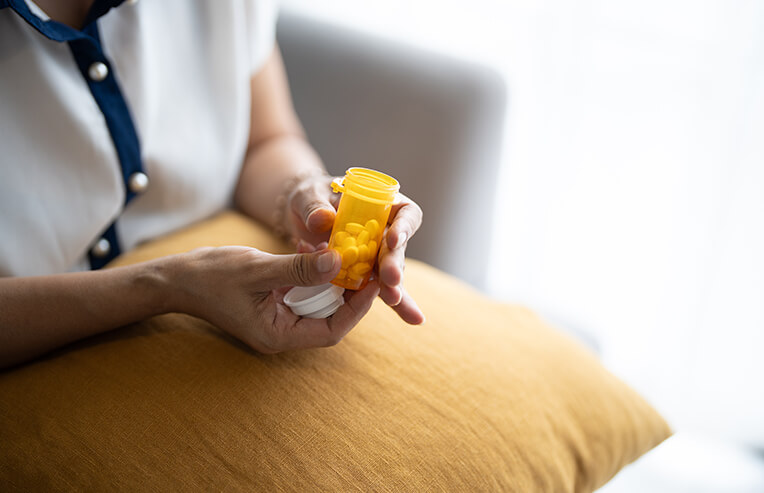
Myth 3: “I’m Feeling Fine, So I Don’t Need HRT”
One of the most frequent questions we hear from patients is, “Do I need HRT if I feel fine?”
The answer depends on your goals for long-term health. HRT is not just for “putting out fires” from acute menopause symptoms like hot flashes. It can also be used as a preventative tool for systemic degradation. Estrogen receptors are located in your brain, heart, bones, and blood vessels.15,16,17,18 This means that as estrogen levels decrease, these systems can all be negatively impacted. Even if you’re feeling fine now, your tissues are losing the protective influence of estrogen.
For example, research shows that the menopausal decline of estrogen levels increases bone resorption, a natural process by which bone cells called osteoclasts break down old bone tissue to make way for new bone formation. In other words, bone resorption outpaces bone formation when estrogen is low, leading to decreased bone mass.19 Fortunately, studies show HRT may help prevent bone fractures.20,21
Myth 4: Sexual Health is a “Young People” Issue
There is a pervasive cultural myth that after a certain age, sexual health and physical vibrancy no longer matter. Of course this is patently false.
Let’s look at genitourinary syndrome of menopause (GSM) as an example, a condition that affects 27% to 84% of postmenopausal women. GSM encompasses a wide range of symptoms and conditions associated with the genital and urinary systems and is caused by decreased estrogen levels.22 Examples of GSM symptoms include vaginal dryness, painful sexual intercourse, and urinary urgency and frequency. Despite these symptoms, many affected women feel reluctant or embarrassed to seek treatment, believing the symptoms are just a natural part of aging.
Unfortunately, because patients often don’t volunteer this information to their physicians without prompting, GSM is an underdiagnosed and undertreated condition. And unlike hot flashes, to which your body can learn to adapt, untreated GSM is progressive.23
Symptoms of GSM can be managed with various treatment modalities. Nonhormonal treatments, such as vaginal moisturizers and lubricants, are considered first-line therapy. Local estrogen therapy may alleviate vaginal atrophy symptoms and has an excellent safety profile. DHEA (dehydroepiandrosterone) can also be used if you have pain during sexual intercourse.24
Sexual health is a vital component of quality of life at any age, not just during youth. It’s about maintaining the health and function of your body so you can continue to enjoy intimacy and confidence.

Myth 5: If You’re Concerned About Breast Cancer, You Should Avoid HRT
One of the major concerns that arose from the WHI study was the increased risk of breast cancer with HRT use. Today, thanks to additional research, we know that the discussion is more nuanced. Various factors, such as the type and dose of HRT, length of therapy, your age at the start of therapy, and breast cancer history are just some of the factors that need to be considered when determining whether HRT is right for you.
Recent studies show the risk of breast cancer does increase slightly with long-term use of combination HRT (estrogen and progesterone). However, the absolute risk (the probability that something will happen) is low, especially in women aged 50 to 59.25 A study from the United Kingdom also found no increased risk of breast cancer with past short-term (less than 5 years) use of combination HRT.26
Systemic HRT is currently not recommended for women who have a history of breast cancer. In a 2021 review of systemic HRT use in women with a history of breast cancer, researchers reported that HRT significantly increased the risk of breast cancer recurrence.<27
It’s also important to note that the risk of breast cancer from HRT is often lower than that associated with common lifestyle factors like smoking, obesity, or moderate alcohol consumption. For example, obesity poses a much greater risk for breast cancer in postmenopausal women than HRT does.28,29
Every woman’s risk profile is different, and that’s why a personalized approach is necessary. If you have a history of breast cancer, ask your doctor about non-hormonal or localized therapies, which are considered safe.30
Moving Beyond the Prescription: A Comprehensive Approach to Menopause
While HRT is a powerful tool, it is not the only tool. Menopause requires a different approach to nutrition and exercise. What worked in your 30s will likely not work in your 50s.
Targeted Nutrition and Supplements
Maintaining metabolic health is essential to prevent “menopause belly” (visceral fat), which is linked to increased cardiovascular risk. Adopt a protein-forward, anti-inflammatory diet that supports insulin sensitivity and preserves muscle mass.
Resistance Training
This is the time to prioritize resistance training over excessive cardio. Building and maintaining muscle mass is the single best thing you can do for your metabolism and bone density as you age. Muscles help stabilize blood sugar and maintain a healthy weight.
Personalized HRT Preparations
Not all HRT comes in pill form. There are various options, such as transdermal patches, gels, orals, or local vaginal topicals. And they don’t all carry the same risks. For example, research shows that transdermal estrogen (through the skin) does not carry the same risk of blood clots as oral estrogen, making it a safer choice for many women.31 A personalized approach allows us to help you meet your goals, whether that’s better sleep, improved libido, or long-term disease prevention.
It is Not a Forever Commitment
Remember, you’re not locked into any treatment for life, and that includes HRT. You can try things, adjust, or pivot based on how you feel. The ultimate goal is to optimize your quality of life while protecting your health.

Reclaim Your Vitality With Women’s Hormonal Health Experts
Menopause is not the end of your story; it is the beginning of a second act. And yes, it’s absolutely possible to move past the myths and take a proactive approach to menopause, so your second act becomes a period of wisdom, confidence, and strength.
Whether you’re currently in perimenopause or have been postmenopausal for years, it’s never too late to optimize your hormonal health. So if you’re ready to stop guessing and start feeling like yourself again, we invite you to take the first step toward a personalized health strategy.
Schedule a 15-minute complimentary consultation to discuss your symptoms and see how we can work together.